

Tooth Replacement Options: Implants, Bridges, Crowns and Dentures
For Preserving Healthy Teeth While Planning for the Future
Keeping your natural teeth has real advantages, especially when they're healthy and dependable for the next 10 to 20 years.
Our goal is to help you choose a path that fits your dental restoration needs today while supporting your long-term dental health goals.

A Targeted Approach to Restoring Your Smile
Our process begins the same way it does for every patient: understanding your situation before making any recommendations.
If you’re dealing with missing or damaged teeth, but still have healthy natural teeth, a full-arch replacement may not be necessary.
By treating only the teeth that need attention, conventional tooth replacement options can restore your dental health while preserving what's strong and healthy.
"They listened to my problems, provided good solutions, and addressed all my concerns. I’ve never felt more comfortable with my dental care.”
- Vincent, Hybridge Patient
What is Conventional Dental Restoration?
Conventional dental restorations preserve healthy teeth that are expected to last long-term by treating missing or damaged teeth.
Depending on your situation, this may involve implants, crowns, bridges, dentures, or a combination.
When This Approach Makes Sense
Conventional dental restoration may be the right fit if you:
- Are missing one or several teeth
- Have a lower risk of decay or gum disease
- Natural teeth are healthy enough to be preserved
- Remaining teeth have a strong long-term prognosis
“They focused on what was best for me. Not just for today, but for the long term. My brother, my sister-in-law, and my daughter-in-law all came here. We all got the care we needed.”
– Jim, Hybridge Patient
Types of Conventional Solutions
Depending on your dental health, your customized plan may include one or a combination of these treatment options.
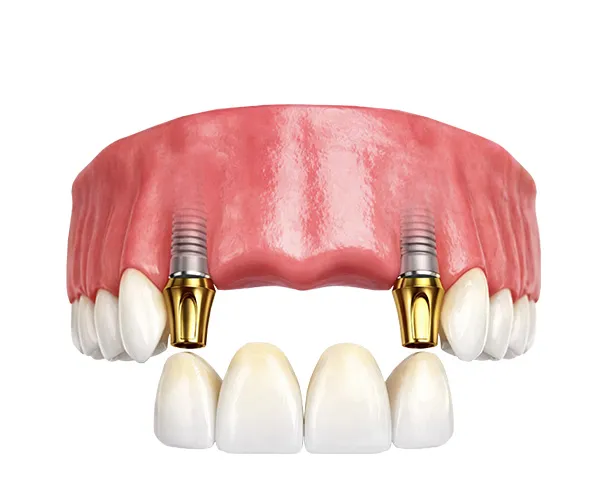
An implant-supported bridge replaces several missing teeth in a row, using implants as anchors instead of your neighboring teeth. It’s a good fit when you’re missing three or more teeth in one area. It typically needs three to six months of healing before the final bridge is placed. With good care, it’s built to last for many years and helps preserve the jawbone.
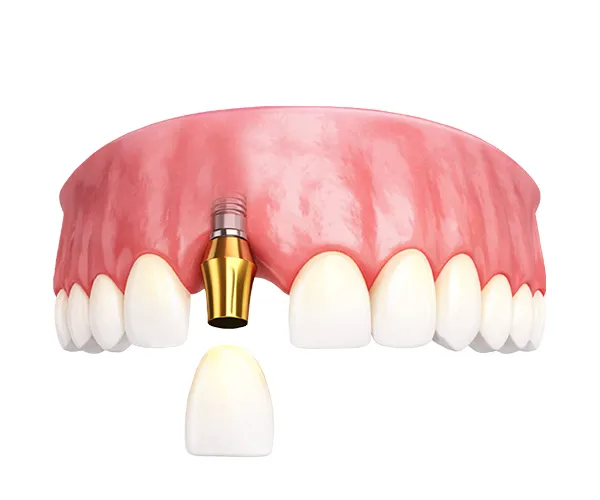
A single tooth implant replaces one missing or failing tooth with a titanium post and a custom crown matched to your natural teeth. It’s a good fit when the teeth on either side are healthy. The implant typically heals for three to six months before the final crown is placed. With good care, the implant can last for decades.
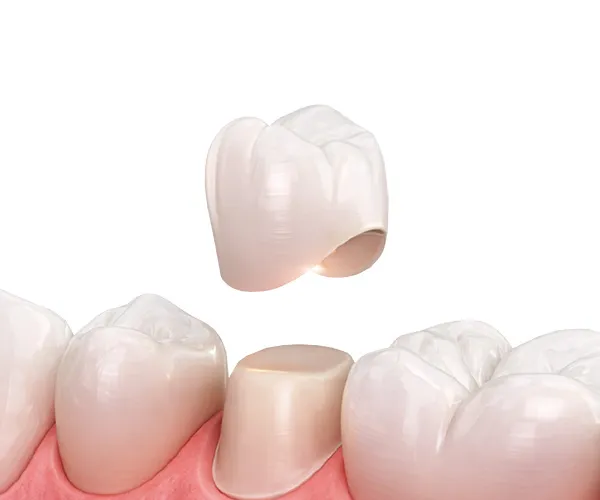
A crown is a custom cap that covers and protects a natural tooth that’s cracked, worn, or weakened by a large filling or root canal. It’s a good fit when the tooth’s root is still healthy and worth saving. Treatment usually takes two visits a few weeks apart. With good care and regular checkups, a crown typically lasts 10 to 15 years or longer.
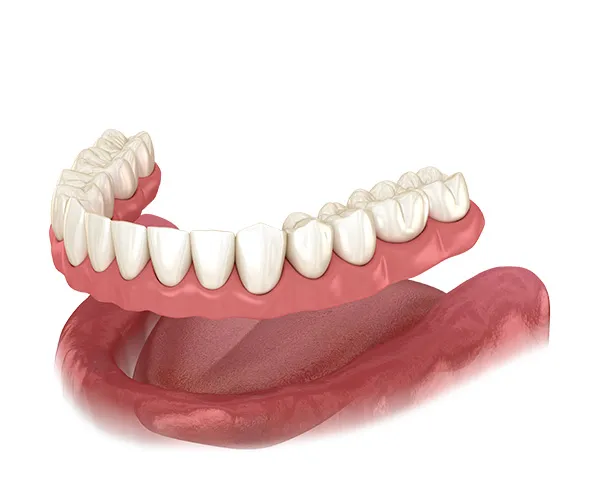
Removable dentures replace some or all of your teeth with a custom set you take out for cleaning. A full denture replaces every tooth in an arch, and a partial denture fills gaps between healthy teeth. They can often be completed in a few weeks of fittings and typically last 5 to 8 years with periodic relining.
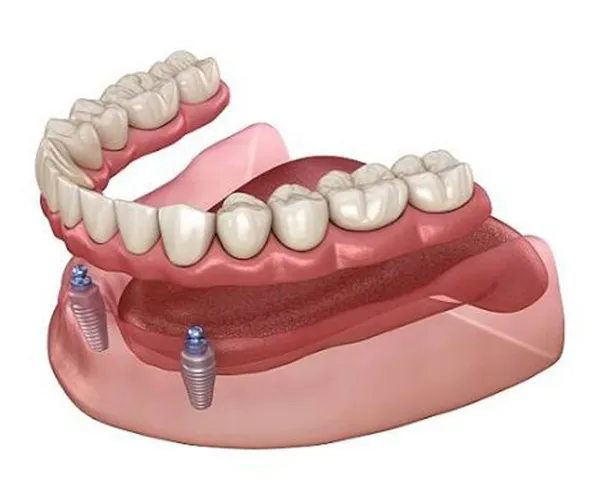
Implant-supported dentures snap onto implants for a secure fit but still come out for cleaning. They’re a good fit if your denture slips. Healing typically takes three to six months, and the implants can last for decades with good care. Prefer teeth that don’t come out? Explore the Hybridge Full-Arch Path.
How Conventional Compares to Full-Arch Restoration
Both conventional and full-arch restorations can be effective. The right choice depends entirely on the current state of your dental health and your long-term goals.
During your consultation, your Hybridge doctor will walk you through both options, what each involves, what it costs, and what it means for your long-term health.
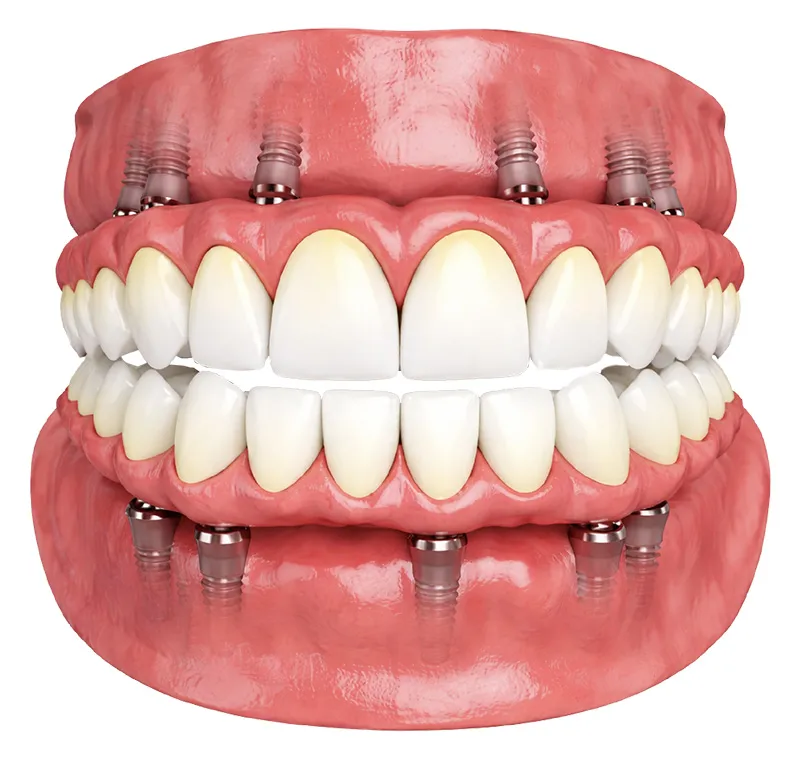
Replaces the entire arch when teeth are no longer reliable long-term.
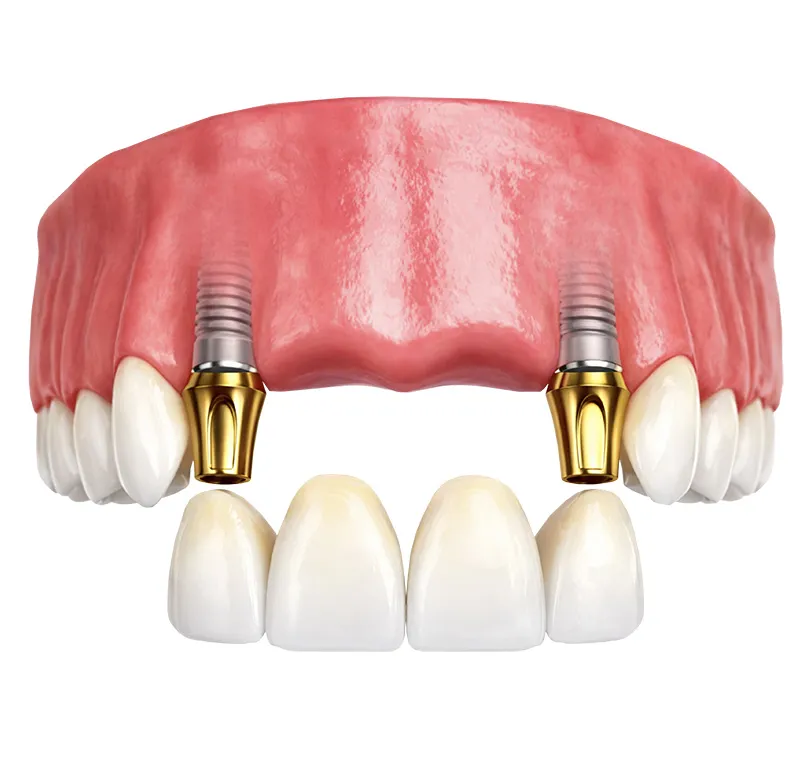
Preserves natural teeth while treating missing or damaged teeth.
Ready to Understand What's Right For You?
If you're considering dental implants but aren't sure which approach makes sense, that's exactly where we come in. During your consultation, we will give you:
A clear read of your dental health
Every viable path forward, explained
What each option means long-term, not just now
Answers to every question before you decide anything
A complete cost breakdown for your recommended path
Ready to Understand Your Options?
If you’re exploring dental implants or trying to decide what comes next, our team is here to help you understand your options.