

Types of Dental Implants
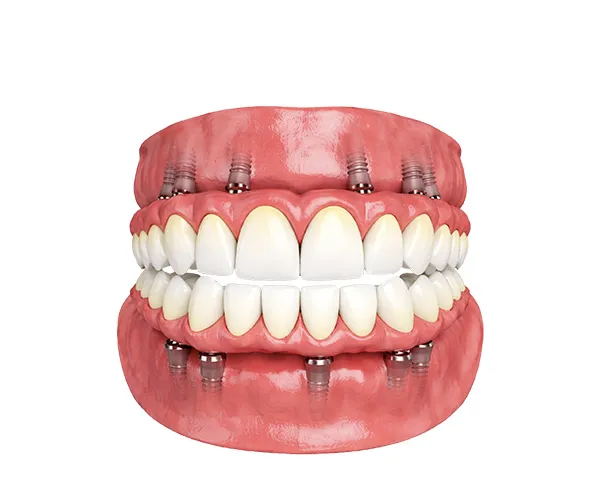
From Single Tooth to Full Mouth Restorations
What Are Dental Implants?
Dental implants are designed to replace the tooth and its root with a small titanium post.
After placement, the implant fuses with the jawbone through a natural process called osseointegration. Once healed, a custom restoration, such as a crown, bridge, or full-arch prosthesis is securely attached.
- Chew comfortably
- Speak clearly
- Avoid shifting or removable dentures

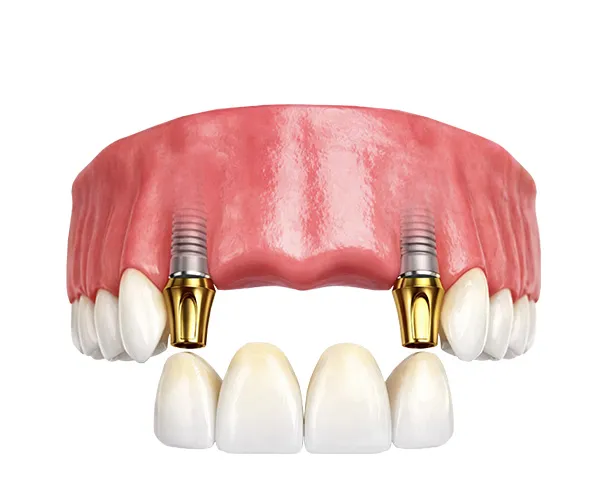
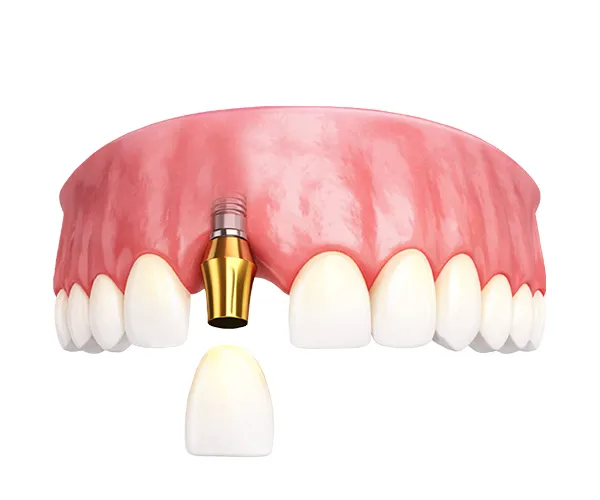
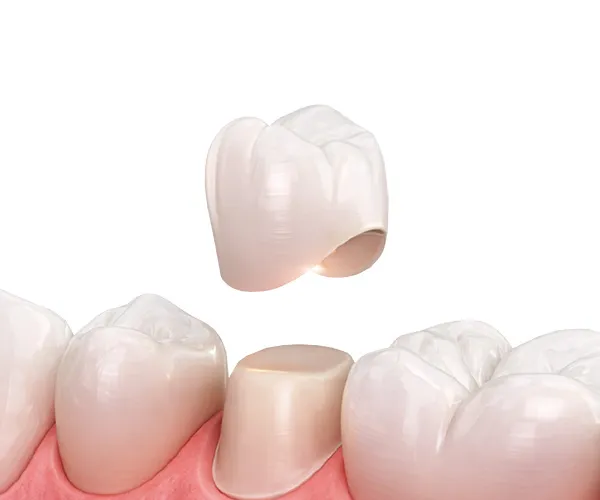
Dental Implant Treatment Options
The right dental implant treatment depends on your oral health, the number of teeth involved, and your long-term goals.
When to Consider Dental Implants
It may be time to begin exploring dental implants if you have:
Often caused by decay, injury, or periodontal disease.
Infection of the gums that can lead to bone loss and loose teeth.
Even after treatments like fillings or root canals.
From missing, broken, unstable teeth, or loose dentures.
Avoiding smiling, speaking, or social situations.
Managing the fear of loose dentures and fragile teeth.

Dental Implants Are Not One-Size-Fits-All
Dental Implants offer long-term support for:

Overall oral health
Bone structure and density
Condition of remaining teeth
Long-term treatment goals
Dental Implants Are Designed to Improve:

Implants remain securely in place, allowing you to eat and speak without movement.

By integrating with the jawbone, implants help maintain bone density and facial structure.

Designed to restore how your teeth feel, function, and look so you can chew, smile, and speak freely.

With proper care, implants are designed to provide lasting support and reduce the need for repeated dental work.

So you can eat, speak, and smile with ease, without constantly thinking about your teeth.



Ready to take the next step?
Talk through your options with our team of dental implant experts to understand what’s possible so you can move forward with confidence.